
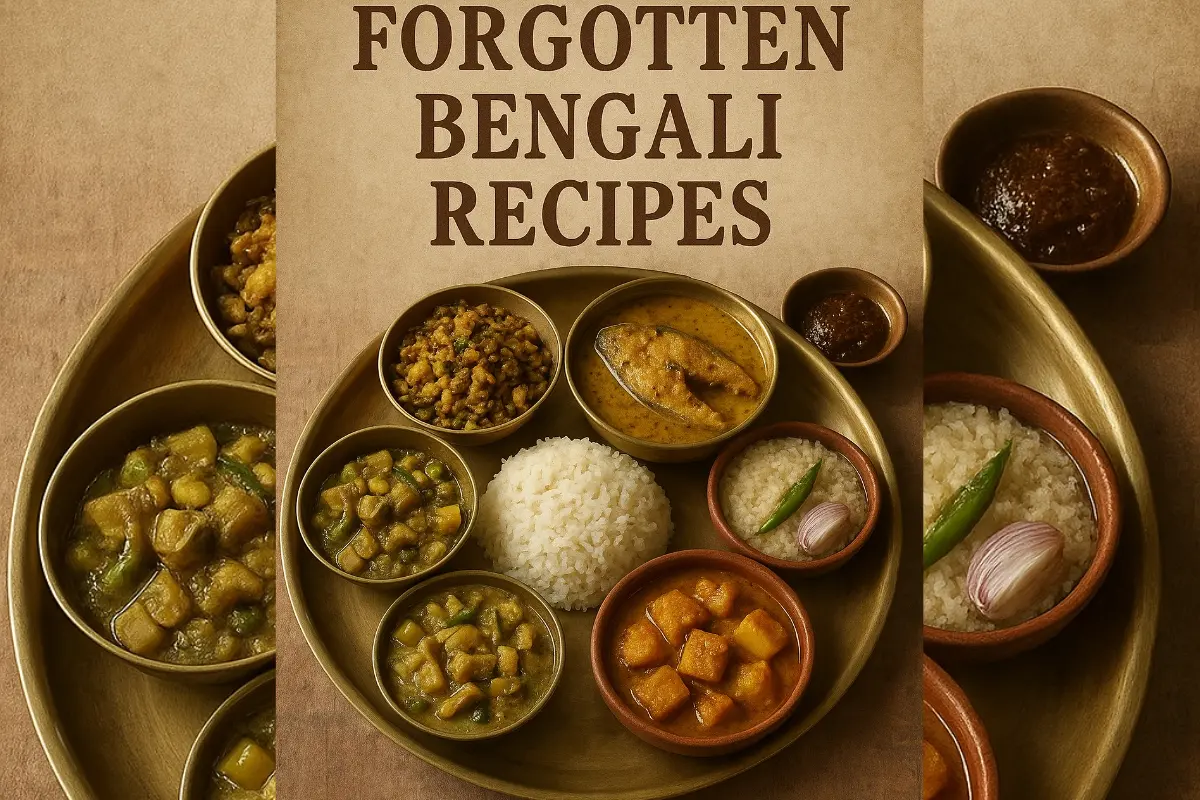
Forgotten Bengali Recipes: Rediscovering the Lost Flavors of Bengal
Bengali cuisine is one of India’s richest culinary traditions — a melting pot of flavors, textures, and aromas born from centuries of culture and history. Yet, amid modern food trends and global fusion dishes, many authentic Bengali recipes have quietly disappeared from our kitchens. These forgotten recipes tell stories of a bygone era, of grandmothers’ secret spice blends, and of meals prepared with deep love and patience.
Let’s travel back in time and revisit some of Bengal’s forgotten culinary treasures — dishes that once graced the family dining tables but are now remembered only in nostalgic whispers.
🥘 1. Mochar Ghonto – The Banana Blossom Delight
Before packaged snacks and instant noodles took over, Mochar Ghonto, a dry curry made from banana blossoms, was a staple in Bengali households. The preparation was time-consuming — cleaning and boiling the blossoms, mixing them with grated coconut, potatoes, and a rich masala paste.
Today, this dish is a rare sight even in Bengali restaurants. But its earthy, slightly nutty flavor makes it a timeless comfort food worth reviving.
🍛 2. Pithe Puli – The Forgotten Festival Sweet
No winter in Bengal was complete without Pithe Puli, traditional rice flour dumplings stuffed with jaggery and coconut, steamed or fried to perfection. Each family had its own version — Dudh Puli (boiled in milk), Patishapta (sweet crepes), or Bhapa Pithe (steamed rice cakes).
In an age of instant desserts, this labor of love has faded away, but reviving Pithe-making can reconnect Bengalis to their ancestral winter rituals and the joy of handmade sweets.
🐟 3. Shorshe Bata Maach – Mustard Magic in Simplicity
While mustard-based curries still hold a place in Bengali kitchens, the traditional method of grinding fresh mustard seeds on a stone slab (shil nora) is rarely seen today. The hand-ground paste gave an intensity of flavor unmatched by modern blenders.
The classic Shorshe Bata Maach (Fish in Mustard Sauce) is a reminder that true taste lies in the process — not shortcuts. With hilsa or rohu fish, this dish represents Bengal’s eternal love affair with mustard.
🥬 4. Shukto – The Bitter-Sweet Beginning
Traditionally served as the first course in a Bengali meal, Shukto is a complex medley of vegetables — bitter gourd, drumstick, raw banana, brinjal, and more — flavored with a touch of mustard and milk.
Its delicate balance of bitterness and sweetness mirrors life itself — a philosophy deeply embedded in Bengali culture. Sadly, this once-regular dish has become an occasional visitor on special days.
🍲 5. Chhanar Dalna – Cottage Cheese Curry of the Past
Long before paneer butter masala became popular, Bengalis relished Chhanar Dalna — a spongy cottage cheese curry with potatoes, ginger paste, and light spices. Unlike store-bought paneer, the homemade chhana had a soft texture that absorbed the gravy beautifully.
This vegetarian delicacy is slowly vanishing, but a revival can bring back the art of making chhana from scratch, a proud kitchen tradition of Bengal.
🐚 6. Kochu Shaak Chingri – The Leafy Shrimp Wonder
This dish combines kochu shaak (taro leaves) with small prawns and mustard paste — a rustic delicacy once enjoyed in Bengali villages. Cooking it required skill, as improperly prepared taro leaves could cause itching.
The reward, however, was divine — a creamy, spicy, and slightly tangy curry served with steamed rice. Today, only a few elders remember its perfect technique.
Also read: Dua Lipa’s Pickle-Brine Drink Sparks Trend in Salty Cocktails
🍠 7. Panta Bhat – The Poor Man’s Feast
Once a humble farmer’s meal, Panta Bhat (fermented rice soaked overnight in water) was eaten with salt, onion, and green chilies. During scorching summers, it provided instant cooling and energy.
Modern city dwellers may dismiss it as “peasant food,” but this fermented superfood is now being rediscovered for its probiotics and health benefits.
🍢 8. Dhoka’r Dalna – Lentil Cakes in Rich Gravy
Made from ground Bengal gram and split peas, Dhoka’r Dalna features fried lentil cakes simmered in a tomato-based gravy. The term “dhoka” means “deception,” as it mimics meat texture without using any.
Once a festive vegetarian favorite, this dish is now rarely cooked due to its elaborate preparation. Yet, it remains a symbol of Bengali culinary creativity.
🌾 Why These Recipes Disappeared
Several factors led to the decline of these timeless dishes:
-
Urban lifestyles and lack of time for elaborate cooking
-
Migration and shift to fast, fusion cuisine
-
Loss of traditional knowledge passed orally through generations
-
Dependence on modern appliances that altered textures and flavors
But the good news? Food bloggers, home chefs, and culinary historians are now documenting and reviving these lost recipes through digital storytelling and heritage cooking initiatives.
💡 Reviving Forgotten Bengali Recipes
To keep these dishes alive:
-
Record family recipes from grandparents and elders.
-
Host heritage cooking days in homes and schools.
-
Promote traditional ingredients like mustard oil, posto (poppy seeds), and gondhoraj lime.
-
Share on social media — awareness starts with storytelling.
Preserving these recipes isn’t just about food — it’s about protecting a piece of Bengal’s cultural soul.
The forgotten recipes of Bengal are not just meals; they are memories plated with emotion, heritage, and identity. Reviving them can reconnect us with our roots and remind us of the slow, soulful artistry that defined traditional Bengali cooking.
So next time you crave something special, skip the fusion platter — and cook a bowl of Mochar Ghonto or Chhanar Dalna. You’ll not only taste food, but history itself.