Fatty liver disease has quietly emerged as one of the most common health conditions across the world. Modern lifestyle habits—such as high-calorie diets, lack of physical activity, alcohol consumption, obesity, and metabolic disorders—are major contributors to the rising numbers. The real concern is that fatty liver often develops silently and shows noticeable symptoms only when the condition has progressed. Identifying early signs can help prevent complications like liver inflammation, fibrosis, cirrhosis, and even liver failure.
Fatty liver is broadly of two types: Non-Alcoholic Fatty Liver Disease (NAFLD) and Alcoholic Fatty Liver Disease (AFLD). While alcohol is the primary cause of AFLD, NAFLD occurs due to lifestyle and metabolic factors such as obesity, diabetes, and high cholesterol. Regardless of the cause, both conditions share similar symptoms that individuals should be aware of.
1. Persistent Fatigue and Low Energy Levels due to Fatty Liver
One of the earliest and most common symptoms of fatty liver is constant tiredness. Unlike normal fatigue caused by physical exertion, this type of tiredness does not improve with rest. When fat accumulates in the liver, it reduces the organ’s ability to convert nutrients into energy efficiently. As a result, patients experience:
-
Day-long weakness
-
Lack of motivation
-
Reduced stamina
-
Feeling exhausted even after minimal activity
This type of chronic fatigue should never be ignored, especially when combined with other symptoms.
2. Unexplained Weight Changes or Increased Belly Fat (Fatty Liver)
Fatty liver disrupts the body’s metabolic balance, often causing fat to accumulate around the abdomen. Even if the rest of the body appears normal, stubborn fat around the stomach and waist could indicate metabolic dysfunction. Some individuals also experience unexplained weight loss due to reduced appetite or digestion issues.
If your belly fat is increasing despite no major change in diet or lifestyle, it may be a sign of fatty liver or insulin resistance.
3. Discomfort or Pain on the Right Side of the Abdomen
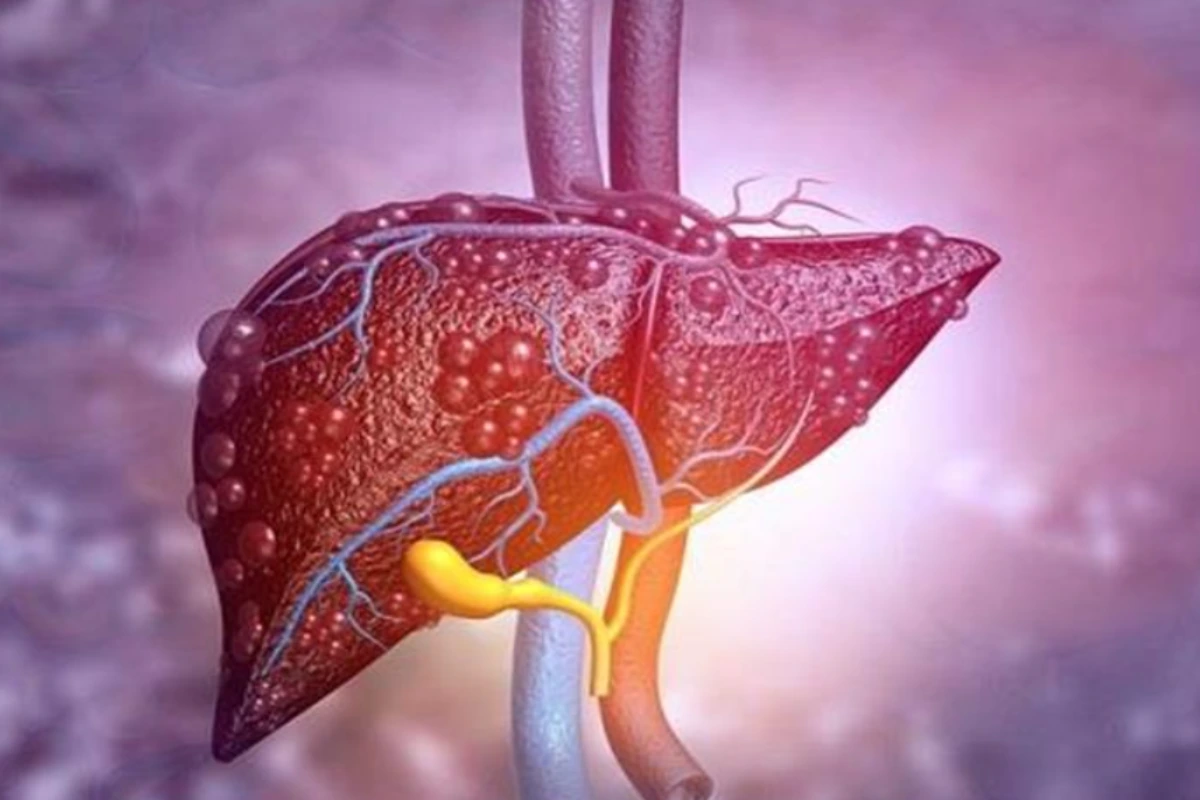
The liver is located on the right side, just under the rib cage. As it becomes inflamed or enlarged due to excess fat, individuals may feel:
-
Mild pain
-
A sense of fullness
-
Pressure or heaviness
-
Occasional sharp discomfort
This pain is usually dull and persistent rather than sharp and severe. It becomes more noticeable when bending, stretching, or lying on the right side.
Also read: Gurmar Benefits: A Powerful Ayurvedic Herb for Blood Sugar, Weight Loss & Wellness
4. Digestive Issues: Bloating, Nausea, and Loss of Appetite
As fatty liver progresses, it can significantly affect digestion. The liver plays a crucial role in breaking down fats, filtering toxins, and producing digestive enzymes. When it becomes overloaded with fat, symptoms such as the following may occur:
-
Nausea
-
Frequent bloating
-
Feeling full after eating small amounts
-
Indigestion
-
Decreased appetite
These signs indicate that the liver is struggling to perform its essential functions.
5. Early Signs of Insulin Resistance
Fatty liver is strongly linked with insulin resistance—a condition where the body fails to respond properly to insulin. This can lead to prediabetes or type 2 diabetes. Symptoms include:
-
Sudden hunger after eating
-
Low energy crashes
-
Dark, velvety patches on the neck or underarms (acanthosis nigricans)
-
Difficulty losing weight
Identifying insulin resistance early can prevent further liver complications.
6. Unusual Weakness and Mental Fog
Many patients experience difficulty concentrating, poor memory, and a “foggy” feeling. This happens because a stressed liver cannot filter toxins efficiently, affecting brain function. If coupled with fatigue and abdominal discomfort, it strongly suggests liver distress.
When to Seek Medical Help
Fatty liver is reversible in the early stages with proper lifestyle changes. If you notice symptoms such as chronic fatigue, abdominal discomfort, persistent bloating, or sudden changes in appetite or weight, consult a liver specialist or gastroenterologist. Early diagnosis through blood tests and imaging can prevent the disease from progressing into serious liver damage.
https://t.co/D6aHJ5UDUE
Fatty Liver Symptoms: Early Warning Signs You Should Never Ignore— genxsoft (@genxsoftinfo) December 1, 2025