Blood Formation: Blood is one of the most essential components of the human body, yet only a few people truly understand how it is produced and how it supports life. Every organ, tissue, and cell in the body depends on blood for survival. But the journey of blood begins deep inside our bones, in a soft, jelly-like tissue called bone marrow. This remarkable biological factory produces almost 95% of the body’s blood cells, ensuring that the circulatory and immune systems function smoothly every day.
Where Does Blood Formation Take Place?
Bone marrow is located in the center of various bones. In adults, the most active bone marrow exists in the hip bones, sternum (chest bone), and vertebrae of the spine. This marrow is rich in stem cells—the building blocks of all blood cells. Along with bone marrow, several organs work as a coordinated system to regulate blood cell production and destruction. These include:
-
Lymph nodes: Filter harmful substances and support immune cell development
-
Spleen (splenic tissue): Stores blood cells and removes damaged or old cells
-
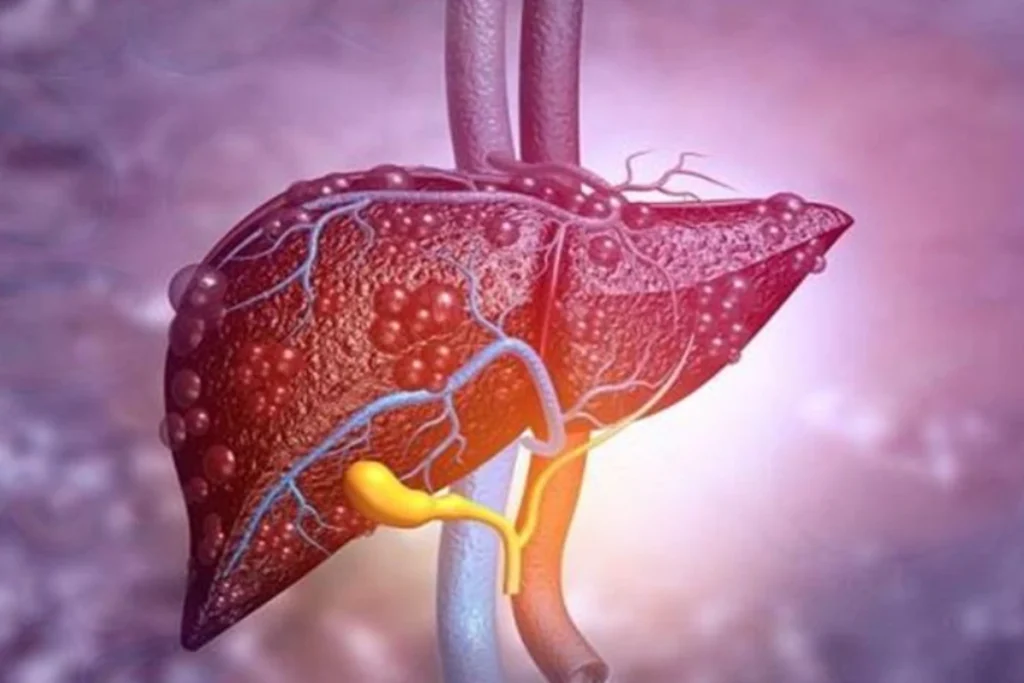
Liver: Helps regulate the life cycle of blood cells and supports filtration
Together, these organs ensure that the body has the right number of blood cells at the right time.
How Blood Forms Inside the Bone Marrow
The process of blood formation is called hematopoiesis. It begins with hematopoietic stem cells, which have the special ability to transform into different types of blood cells. These stem cells mature into three primary blood cell categories:
1. Red Blood Cells (RBCs)
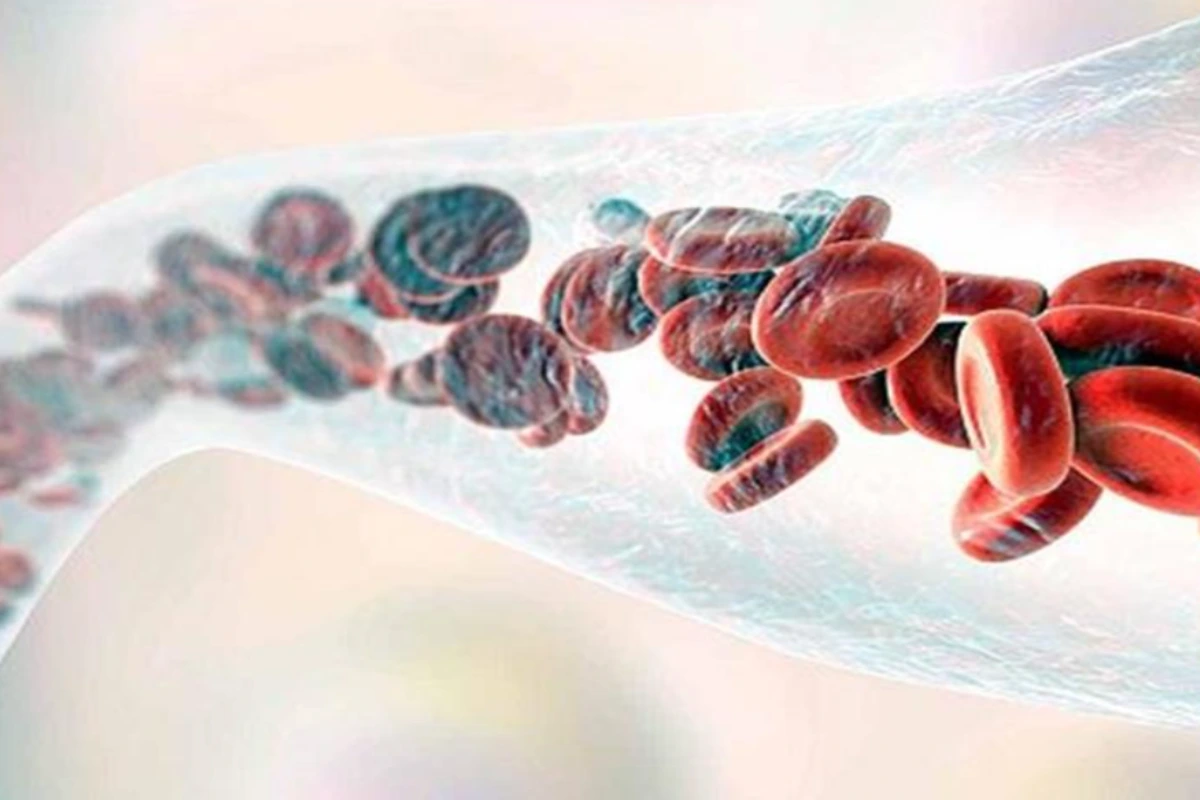
RBCs are responsible for carrying oxygen from the lungs to every corner of the body and transporting carbon dioxide back to the lungs for exhalation.
The key protein involved in this process is hemoglobin, which binds with oxygen and gives blood its red color.
A lack of RBCs or hemoglobin results in anemia, causing fatigue, weakness, and dizziness.
2. White Blood Cells (WBCs)
WBCs play a central role in protecting the body from infections. They defend the body against bacteria, viruses, parasites, and toxins.
There are different types of WBCs, each with a specific function:
-
Neutrophils: Fight bacterial infections
-
Lymphocytes: Produce antibodies and destroy infected cells
-
Eosinophils: Combat allergies and parasitic infections
-
Monocytes: Clean up dead cells and support tissue repair
-
Basophils: Release chemicals that help manage allergic responses
A deficiency of WBCs weakens immunity, making the body more vulnerable to infections.
3. Platelets
Platelets help in blood clotting. When an injury occurs, platelets travel to the damaged blood vessel and form a clot to prevent excessive bleeding.
Low platelet levels can lead to uncontrolled bleeding, bruising, or delayed wound healing.
These three cell types are initially formed as blasts, an early developmental stage. Some blasts mature inside the bone marrow, while others travel through the bloodstream to other organs to complete their development.
Also read: Health Benefits of Banana: A Nutrient Powerhouse
What Exactly Is Blood and Why Is It Important?
Blood is a specialized bodily fluid that travels through arteries, veins, and capillaries, reaching every part of the body. It performs multiple life-sustaining functions such as:
-
Supplying oxygen and nutrients to organs and tissues
-
Removing carbon dioxide and waste materials
-
Transporting hormones and enzymes
-
Fighting infections
-
Regulating body temperature
-
Helping heal wounds through clot formation
Without blood, none of the vital organs—including the brain, heart, kidneys, and liver—could survive for more than a few minutes.
The formation of blood is an incredibly complex yet beautifully coordinated biological process. Beginning with stem cells inside the bone marrow and supported by organs like the spleen and liver, blood production ensures that the body remains healthy, energized, and protected from disease. Understanding how blood is formed helps us appreciate the silent, continuous work happening inside our bodies every second of the day.