
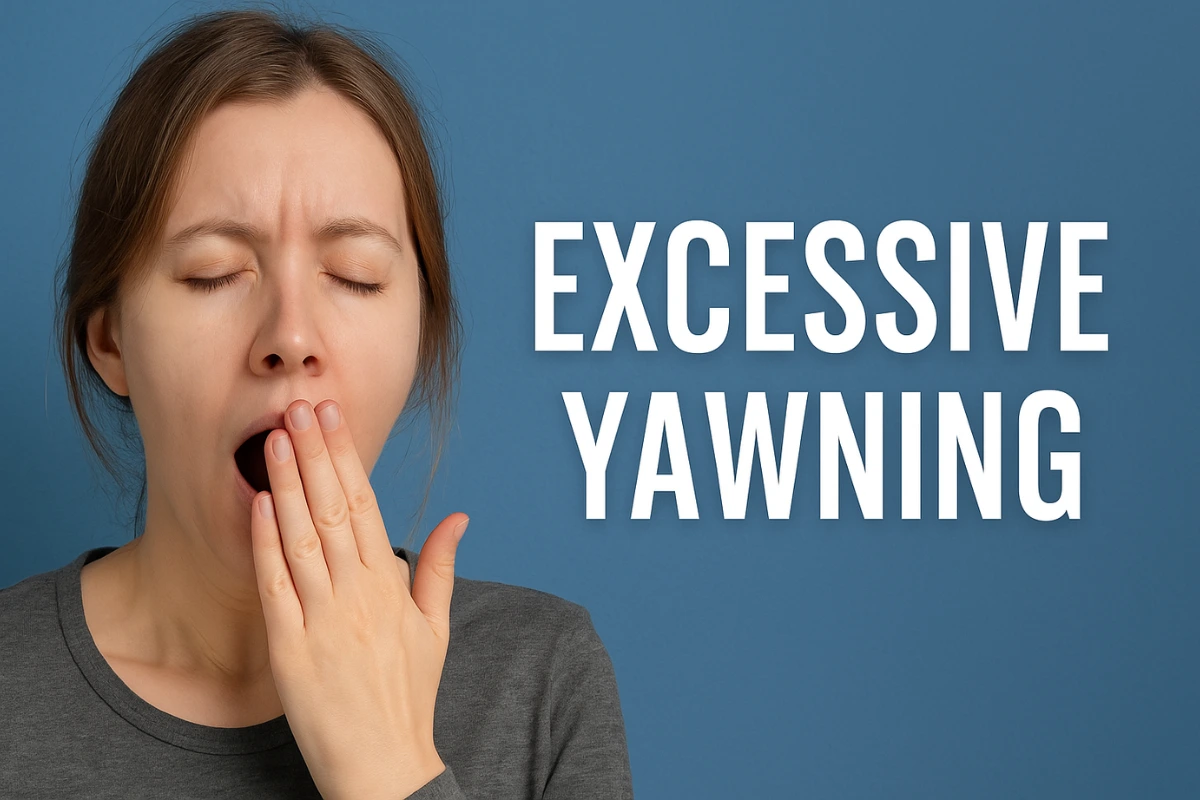
Yawning is a natural and involuntary action that usually occurs when we feel sleepy, tired or bored. But when yawning becomes unusually frequent, constant or uncontrollable, it turns into a condition known as excessive yawning. This can sometimes be a simple sign of fatigue—but in other cases, it may indicate an underlying health issue that requires attention.
Below is a detailed guide on what excessive yawning means, why it happens, how to prevent it, and when it becomes a matter of concern.
🔍 What Is Excessive Yawning?
Excessive yawning refers to repeated yawning that occurs much more frequently than normal. While a few yawns throughout the day are normal, yawning many times per hour or at unusual times—such as after waking up or during active hours—may be a sign of imbalance in the body.
Yawning is linked to brain temperature, oxygen levels and the nervous system. When any of these processes are disrupted, yawning can increase significantly.
🧠 Major Causes of Excessive Yawning
1. Lack of Sleep or Poor Sleep Quality
The most common reason behind excessive yawning is insufficient or disturbed sleep. When the brain does not get adequate rest, its oxygen demand increases, which often leads to more yawning throughout the day.
Sleep deprivation, insomnia, night shifts, and irregular sleep cycles can all trigger this.
2. Stress, Anxiety and Mental Fatigue
Stress and anxiety directly affect the autonomic nervous system. During anxiety episodes, the body enters a state of alertness, causing increased oxygen demand. As a result, you may yawn more frequently.
Mental overload, emotional exhaustion and prolonged tension can further intensify yawning.
3. Physical Exhaustion and Overexertion
Working long hours without breaks or engaging in strenuous physical activity can drain the body’s energy levels. When the body becomes fatigued, the brain tries to cool itself and regulate oxygen, resulting in excessive yawning.
4. Medication Side Effects
Certain medications can cause frequent yawning as a side effect, including:
-
Antidepressants
-
Antihistamines
-
Anti-anxiety medicines
-
Blood pressure medications
If yawning started after beginning a new medication, it may be linked to the drug’s effect on the nervous system.
5. Heart or Brain Disorders (Less Common but Serious)
In some rare cases, excessive yawning may point to a more serious health issue such as:
-
Heart problems
-
Stroke risk
-
Vagus nerve dysfunction
-
Neurological disorders
In such cases, yawning is often accompanied by additional symptoms like dizziness, weakness or chest discomfort.
Also read: Heart Attack Risk From High BP: What Happens When Your Blood Pressure Crosses the Danger Mark
6. Dehydration
When the body lacks enough fluids, blood flow slows down, causing tiredness and reduced oxygen supply. This often leads to frequent yawning and sluggishness throughout the day.
7. Overheating or Body Temperature Imbalance
Yawning helps cool the brain. Therefore, extreme heat, fever or intense exercise can trigger excessive yawning as the brain attempts to regulate its temperature.
⚠️ Warning Signs: When Excessive Yawning Becomes Serious
Seek medical attention if yawning is accompanied by:
-
Chest pain
-
Severe headaches
-
Loss of balance
-
Shortness of breath
-
Extreme fatigue
-
Confusion or difficulty concentrating
-
Weakness in arms or legs
These may indicate an underlying medical condition.
🌿 How to Reduce Excessive Yawning
1. Improve Sleep Quality
Aim for 7–8 hours of uninterrupted sleep and maintain a consistent routine.
2. Stay Hydrated
Drink enough water throughout the day to avoid dehydration-related fatigue.
3. Manage Stress
Practice meditation, deep breathing, yoga or short relaxation breaks during the day.
4. Limit Caffeine
Too much caffeine disrupts sleep cycles and may increase yawning.
5. Take Breaks
Avoid long periods of mental or physical activity without rest.
6. Consult a Doctor
If yawning is persistent or severe, medical evaluation can help detect underlying issues.
Excessive yawning is often harmless but sometimes a warning sign. Proper sleep, hydration and stress management can significantly reduce it. However, if yawning continues despite lifestyle changes—especially with other symptoms—it’s important to seek medical advice.